

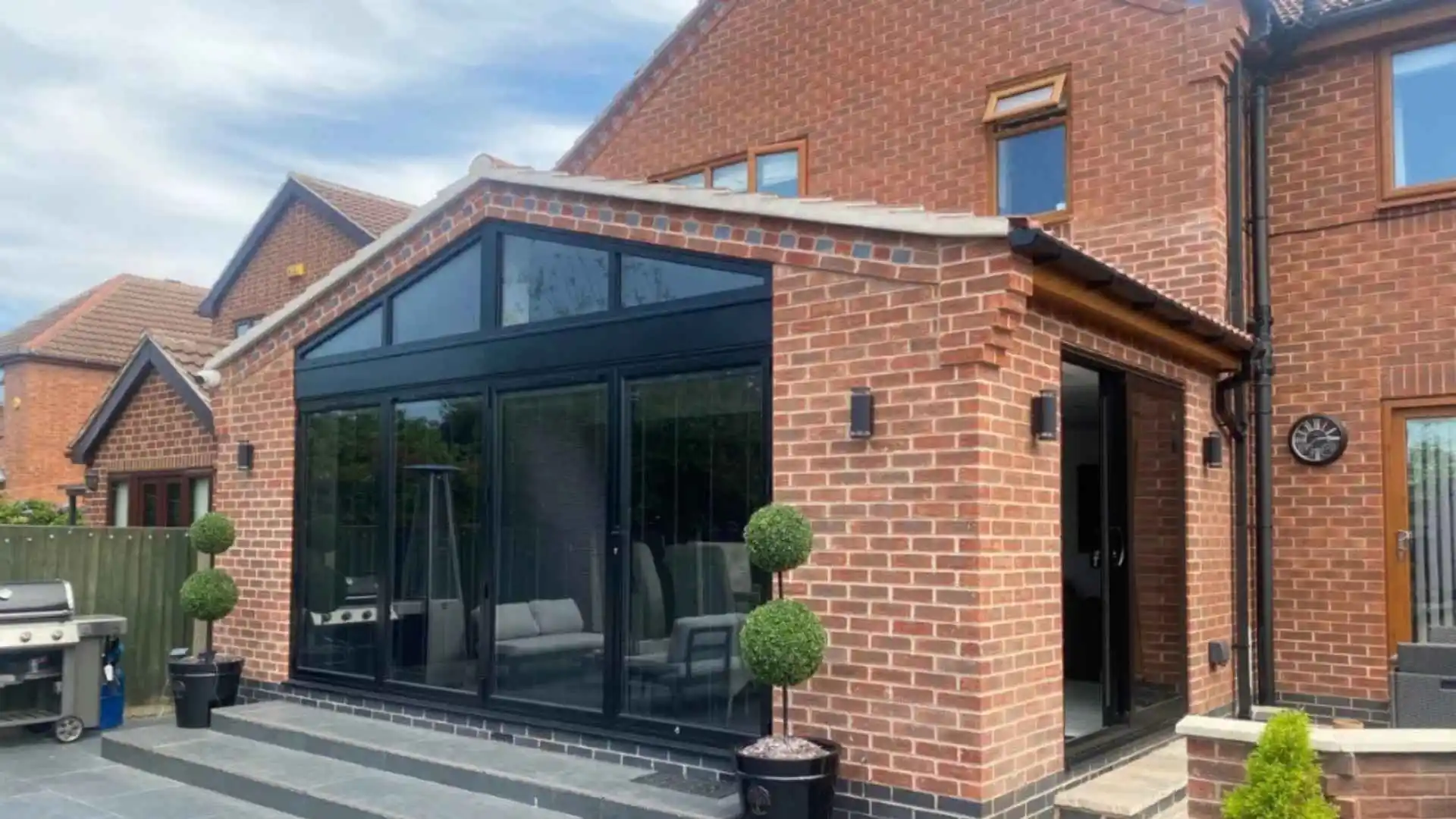

Planning a single-storey extension in 2026? Discover real UK costs by region, size, and material, plus expert tips to stay on budget and avoid hidden fees.
If you’re thinking about adding more space to your home, a single-storey extension is one of the most popular and cost-effective ways to do it. But before you call a builder, you need to understand the real numbers, not just the optimistic estimates you find on comparison websites.
In this guide, we break down the true single-storey extension cost in the UK for 2026, covering everything from regional price differences to materials, hidden fees, and what actually drives the final bill.
What Is a Single-Storey Extension?
A single-storey extension is a ground-floor addition built onto the rear, side, or front of your existing home. Homeowners most commonly use them to extend kitchens, create open-plan living spaces, add a utility room, or build a home office.
Because they only go up one floor, they’re generally cheaper and faster to build than double-storey extensions. They also often fall under Permitted Development Rights, which means you may not need full planning permission at all.
Single-Storey Extension Cost in the UK: The Key Numbers for 2026
Let’s get straight to what you came here for. Here are the average costs for a single-storey extension in the UK in 2026:
Small extension (up to 15m²): £18,000 – £30,000 Medium extension (15m² – 30m²): £30,000 – £55,000 Large extension (30m² – 50m²): £55,000 – £90,000+
These figures include labour, standard materials, and basic finishes. However, they exclude VAT (typically 20%), professional fees, and any site-specific complications — so always add a 15–20% contingency buffer on top.
Single-Storey Extension Cost Per Square Metre
The most useful way to estimate your project is by cost per square metre (m²). In 2026, you should expect to pay:
Basic build quality: £1,500 – £1,800 per m² Standard build quality: £1,800 – £2,500 per m² High-end / premium build: £2,500 – £3,500+ per m².
For example, a 20m² kitchen extension at standard quality would cost roughly £36,000 – £50,000 before VAT and fees. Keep in mind that smaller extensions often cost more per m² because fixed costs like scaffolding, skips, and groundworks get spread across less floor space.
How Location Affects Your Single-Storey Extension Cost
Where you live in the UK makes a significant difference to what you’ll pay. Labour rates vary considerably by region, and London in particular commands a serious premium.
London and South East
London is the most expensive region for home extensions in the UK. Labour costs alone run 30–50% higher than the national average. Expect to pay:
- Basic: £2,000 – £2,500 per m²
- Standard: £2,500 – £3,200 per m²
- Premium: £3,200 – £4,500+ per m².
A modest 20m² extension in London can therefore easily reach £60,000 – £70,000 once you factor in finishes, fees, and VAT.
Midlands and East of England
Costs here sit close to the national average and offer reasonable value for homeowners:
- Basic: £1,600 – £2,000 per m²
- Standard: £2,000 – £2,600 per m²
- Premium: £2,600 – £3,500 per m².
North England (Manchester, Leeds, Sheffield, Liverpool)
Northern England is notably more affordable than the South. Skilled tradespeople are available at more competitive rates, and material logistics tend to be simpler:
- Basic: £1,400 – £1,700 per m²
- Standard: £1,700 – £2,200 per m²
- Premium: £2,200 – £3,000 per m².
A 20m² extension in Manchester at standard quality might cost £34,000 – £44,000 — significantly less than the same project in London.
Scotland, Wales, and Northern Ireland
Costs in these regions are broadly similar to the North of England, though rural areas can see prices rise due to transport costs for materials and limited availability of specialist tradespeople.
- Average range: £1,400 – £2,200 per m².
What Drives the Cost of a Single-Storey Extension?
Understanding what pushes the price up (or down) helps you make smarter decisions from the start.
1. Size and Shape of the Extension
Larger extensions cost more in total but less per m². A simple rectangular layout is always cheaper to build than an L-shaped or complex design, because irregular shapes require more structural work, more roof complexity, and more labour hours.
2. Foundation Type
Your soil type determines what kind of foundations your builder needs to dig. Standard strip foundations work well on most sites, but if your ground is clay-heavy, made-up, or near trees, you may need deeper or more expensive piled foundations. This alone can add £3,000 – £8,000 to your bill.
3. Roof Design
A flat roof is the most affordable option and suits many modern extension designs. A pitched roof or lantern roof costs more but can significantly improve light and aesthetics. Roof lanterns, for instance, can cost £3,000 – £8,000 depending on size and specification.
4. Glazing and Doors
Standard uPVC sliding doors are the budget-friendly choice. Aluminium bifold or sliding doors dramatically improve the look and feel of your extension but add £3,000 – £8,000 or more to your costs depending on the number of panels.
5. Internal Finishes
The cost per m² figures above generally assume a mid-range finish. If you want underfloor heating, bespoke joinery, high-end kitchen units, or premium flooring, your internal fit-out costs can easily match or exceed the structural build cost.
6. Party Wall and Structural Complexity
If your extension sits on or near a boundary shared with a neighbour, you’ll need a Party Wall Agreement. A Party Wall Surveyor typically charges £700 – £1,500 per neighbour. Additionally, removing a load-bearing wall to open up your new extension to the existing house adds steel beam costs of £1,500 – £5,000+.
Materials: How Your Choice Affects the Budget
The materials you choose have a major impact on both the upfront cost and the long-term running costs of your extension.
Brick and Block (Traditional Build)
This is the most common method used in UK home extensions. It’s durable, well-understood by all tradespeople, and blends well with existing homes. It’s also mid-range in cost and works for most budgets.
Timber Frame
Timber frame construction is faster than brick and block and can be more cost-effective for certain layouts. It also offers good thermal performance when well-insulated. However, not all builders specialise in it, so always check experience first.
Structural Insulated Panels (SIPs)
SIPs are factory-made panels that combine structure and insulation in one. They’re faster to erect on site, highly energy-efficient, and increasingly popular for modern extensions. The trade-off is that they cost more upfront — typically 10–20% more than traditional build methods.
Steel Frame
Steel frames are usually reserved for larger or more architecturally ambitious extensions. They’re strong, allow for large open-plan spans, and support heavy glazing loads. However, they come at a higher cost and require specialist contractors.
Additional Costs to Budget For
Many homeowners underestimate the full cost of a single-storey extension because they focus on the build cost alone. Here are the additional costs you must factor in:
Planning permission (if required): £206 for a householder application in England Architectural drawings: £1,500 – £5,000 depending on complexity Structural engineer: £500 – £1,500 Building regulations application: £200 – £900 depending on project size Party Wall Agreement: £700 – £1,500 per neighbour Skip hire: £200 – £600 Scaffolding: £800 – £2,500 VAT (20%): Applied to most labour and materials Contingency fund: 15–20% of the total build cost
A realistic total for a 20m² standard extension in the Midlands, for example, might look like this:
Build cost: £44,000
Professional fees: £4,000
VAT: £9,600
Contingency (15%): £8,640
Total: approximately £56,240.
Does a Single-Storey Extension Add Value to Your Home?
Yes, in most cases, a well-designed and properly built single-storey extension adds meaningful value to your property. According to property experts, a kitchen extension or open-plan living space can add 5–15% to a home’s market value, depending on location and quality.
Furthermore, in high-demand areas like London and the South East, the return on investment tends to be stronger because property values are already higher. In the North of England, the added value may be more modest in percentage terms, but the lower build cost means the financial case still stacks up well.
The key is quality. A cheap extension that looks out of place, lets in draughts, or creates awkward proportions can actually put buyers off rather than attract them.
How to Keep Your Single-Storey Extension Costs Under Control
Getting the budget right takes discipline from the very beginning. Here’s how experienced homeowners and project managers approach it:
Get at least three detailed quotes — not ballpark figures — from FMB-registered builders. Make sure each quote covers exactly the same scope of work.
Fix your design before you start — changes mid-build are the single biggest source of cost overruns. Spend more time at the design stage to avoid expensive surprises later.
Separate the structural build from the fit-out — complete the shell and structure first, then phase the internal fit-out if your budget is tight.
Ask your architect to value-engineer the design — sometimes a small tweak in layout or specification saves thousands without any visible compromise to the finished result.
Don’t cut corners on insulation or waterproofing — these are the areas where cheap choices cost you far more in repairs and energy bills over the long term.
Do You Need Planning Permission for a Single-Storey Extension?
In many cases, no. Under Permitted Development Rights, most single-storey rear extensions don’t require a full planning application, as long as they meet specific limits:
The extension must not exceed 4 metres in height
It must not extend beyond 4 metres (detached houses) or 3 metres (semi-detached and terraced) from the original rear wall — or up to 8m/6m under the Neighbour Consultation Scheme
It must not cover more than half the garden area
It must use materials that match the existing house
However, if your home is in a conservation area, is a listed building, or sits within an Article 4 Direction zone, you’ll need full planning permission regardless of size.
Always check with your local planning authority or speak to an architect before proceeding.
Single-Storey Extension vs Double-Storey Extension: Is It Worth Going Up?
If you have the budget and your plot allows it, a double-storey extension delivers significantly more space per pound spent. That’s because groundworks, foundations, and roof costs are shared across two floors.
That said, double-storey extensions almost always require planning permission, take longer to build, and are more disruptive to live through. For most families extending a kitchen or living room, a single-storey extension is the right and most cost-effective solution.
How Long Does a Single-Storey Extension Take to Build?
Once planning (if required) is sorted and your builder is on site, a typical single-storey extension takes:
- Small extension (up to 15m²): 6 – 10 weeks
- Medium extension (15m² – 30m²): 10 – 16 weeks
- Large extension (30m² – 50m²): 16 – 24 weeks
Add 8–12 weeks for design and planning approval at the front end, and another 2–4 weeks for snagging and final sign-off at the end.
Ready to Find Out What Your Extension Will Really Cost?
Every extension is different. The only way to get an accurate figure is to share your specific plans, property type, location, and finish requirements with a qualified professional.
Use our free Single-Storey Extension Cost Calculator to get an instant ballpark estimate tailored to your project — then speak to one of our extension specialists for a detailed, no-obligation quote.