

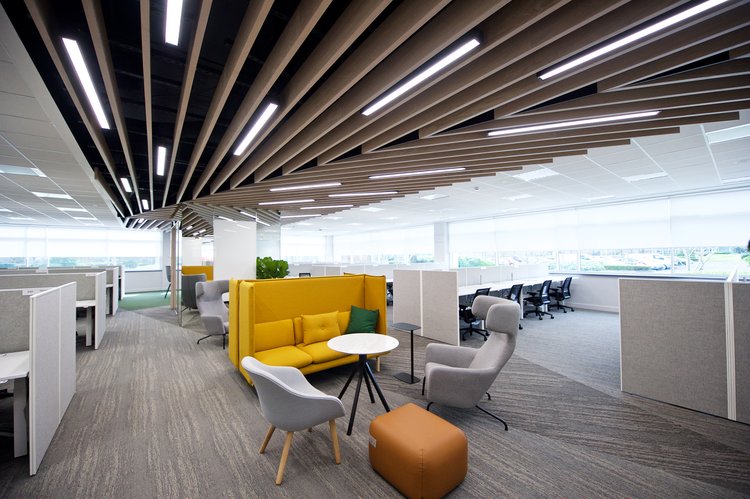

Office renovation is a major step for any London business. Whether you are upgrading a small workspace or transforming a large commercial office, the timeline is one of the first questions business owners ask.
The truth is that every office refurbishment project is different. However, most office renovations in London take anywhere from 2 weeks to 4 months, depending on the size of the workspace, the scope of the work, and planning requirements.
This guide explains the typical office renovation timeline in London, the factors that affect project duration, and how businesses can plan their refurbishment efficiently.
Typical Office Renovation Timeline in London
Below is a realistic timeline for most commercial office renovation projects.
Small Office Refurbishment (1–2 Weeks)
A small office renovation usually involves cosmetic improvements rather than structural work.
Typical work includes:
- Interior painting and decorating
- New flooring or carpet installation
- Lighting upgrades
- Minor electrical improvements
- Furniture installation
These projects often take 5 to 10 working days and may even be completed during evenings or weekends to avoid disrupting business operations.
Medium Office Renovation (3–6 Weeks)
A medium office refurbishment involves layout improvements and system upgrades.
This may include:
- Partition wall installation
- New meeting rooms or workspaces
- Electrical rewiring
- IT and data cabling
- Suspended ceilings
- Air conditioning installation
- Kitchen or staff area improvements
Most medium office fit outs take 3 to 6 weeks depending on the complexity of the office layout.
Large Office Renovation (6–16 Weeks)
Large commercial renovations often involve major design and construction work.
Projects may include:
- Full office redesign
- Structural modifications
- HVAC installation
- Plumbing upgrades
- New bathrooms or kitchens
- Acoustic improvements
- Fire safety system installation
Large office refurbishments in London typically take 6 to 16 weeks from the start of construction.
Stages of an Office Renovation Project
Understanding the stages of an office renovation helps businesses estimate how long the process will take.
1. Planning and Design (1–3 Weeks)
Every successful office refurbishment starts with careful planning.
This stage usually includes:
- Office layout planning
- Interior design concepts
- Budget planning
- Selecting materials and finishes
- Contractor consultations
For larger office refurbishment projects, this phase may take slightly longer.
2. Approvals and Permissions (1–4 Weeks)
Some office renovations in London require approvals or building compliance checks.
This may include:
- Building management approval
- Planning permission for structural changes
- Building regulation compliance
- Health and safety planning
If no structural work is required, this stage can be completed quickly.
3. Construction and Fit Out (2–12 Weeks)
This is the main renovation stage.
Typical work during this phase includes:
- Demolition or removal of old interiors
- Electrical and plumbing work
- Partition installation
- Ceiling and flooring installation
- Decorating and finishing
The duration depends on the scale of the office refurbishment.
4. Final Inspection and Handover (2–5 Days)
Once construction finishes, the contractor completes final checks.
These may include:
- Safety inspections
- Electrical testing
- Cleaning and finishing
- Snagging corrections
After this stage, the office is ready for staff to move in.
Factors That Affect Office Renovation Time in London
Several factors influence how long an office renovation project takes.
Office Size
Larger offices naturally take longer to renovate. A small workspace may be completed within days, while a full commercial office renovation can take several months.
Scope of Work
Cosmetic upgrades take far less time than structural modifications. For example, repainting and flooring may take one week, while layout redesign and building work take much longer.
Building Restrictions
Many London offices are located in shared commercial buildings. Building management may restrict working hours or require specific approval processes.
These rules can extend the renovation timeline.
Materials and Supply
Certain materials or custom fittings may require longer delivery times. Early planning helps prevent delays.
Business Operations
Some companies choose to renovate while their staff continues working. In these cases, contractors may work outside business hours, which can increase the project duration.
How to Reduce Office Renovation Delays
Businesses can keep their office renovation project on schedule with proper preparation.
Plan Early
Start planning your office refurbishment several weeks before construction begins. Early planning allows time for design, budgeting, and contractor selection.
Work With an Experienced Contractor
Professional office renovation contractors understand London building regulations, project timelines, and common challenges. Their experience helps prevent costly delays.
Choose Materials in Advance
Ordering materials early ensures everything is ready when construction begins.
Set a Clear Project Scope
Clearly defined renovation goals help avoid changes during construction, which often extend the project timeline.
Is It Possible to Renovate an Office Without Closing?
Yes, many office refurbishment projects in London take place while the business continues operating.
Contractors may schedule work:
- During evenings
- Overnight
- On weekends
- In phased sections of the office
This approach helps businesses maintain productivity while upgrading their workspace.
Final Thoughts
The timeline for an office renovation in London depends on the size of the office and the scope of the refurbishment. Smaller office upgrades may take just a week, while full commercial office renovations can take several months.
With proper planning, clear design goals, and an experienced office renovation contractor, businesses can complete their refurbishment efficiently and minimise disruption.
Investing in a well planned office renovation not only improves the work environment but also supports productivity, employee wellbeing, and a professional company image.