

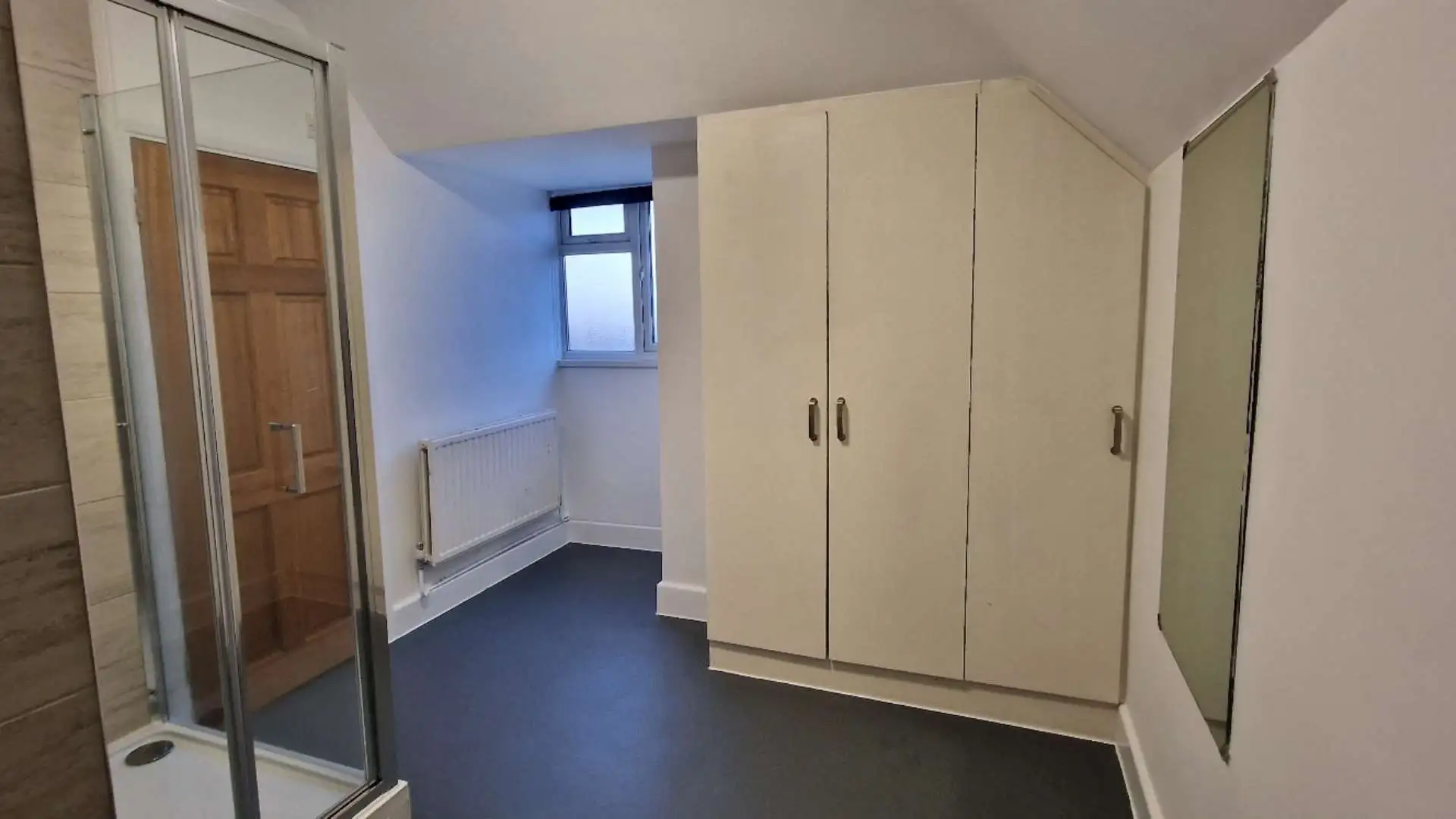

Building a void property refurbishment strategy for London social housing? Discover how housing associations and local authorities can reduce void periods, cut costs, and improve new tenant satisfaction with this complete guide from Precise Enterprise.
Every day a social housing property sits empty in London costs money. Lost rental income, ongoing service charges, insurance liability, and the very real risk of deterioration all accumulate from the moment a tenancy ends to the moment a new tenant moves in.
For London housing associations and local authorities managing hundreds or thousands of properties, void property refurbishment is not a peripheral concern. It sits at the heart of financial performance, regulatory compliance, asset health, and new tenant experience.
Yet many housing associations in London still manage void refurbishment reactively, responding to each vacancy as it arises without a coherent strategy to guide decisions, control costs, or drive down turnaround times consistently.
Building a structured void property refurbishment strategy changes all of that. This guide sets out exactly how to do it.
Why a Void Property Refurbishment Strategy Matters
Before building a strategy, it helps to understand precisely what poor void management costs a London housing association in practice.
The Financial Cost of Extended Void Periods
The average weekly social rent in London sits well above the national average. Every week a property remains empty represents direct income loss that no amount of cost-cutting elsewhere can recover. Furthermore, void properties still incur council tax liability, utility standing charges, and security costs during the vacancy period.
Housing associations that manage void refurbishment without a coherent strategy consistently report longer average void periods, higher per-property refurbishment costs, and greater variation in the quality of finished properties than those with a structured programme in place. Consequently, the financial case for investing in a proper void refurbishment strategy is overwhelming.
The Regulatory and Compliance Dimension
Void properties carry real compliance obligations for London housing associations. Gas safety checks, electrical installation inspections, fire safety assessments, and damp and mould surveys must all be completed before a new tenancy can begin. Furthermore, the Decent Homes Standard requires that all social housing meets minimum condition thresholds at the point of letting.
A void refurbishment strategy that embeds compliance checks into a structured workflow ensures nothing gets missed under time pressure. It also creates the audit trail that the Regulator of Social Housing increasingly expects registered providers to maintain.
The New Tenant Experience
The condition of a property at the point of a new tenancy sets the tone for the entire tenancy relationship. New tenants who move into a well-refurbished, clean, and properly maintained home report higher satisfaction scores from day one. They are more likely to report repairs promptly, care for the property, and sustain their tenancy over the long term.
Conversely, new tenants who move into properties with outstanding repairs, poor decoration, and substandard kitchens or bathrooms generate immediate complaints, early disrepair claims, and lasting dissatisfaction that shapes their entire relationship with their housing provider. Getting void refurbishment right is therefore one of the most powerful levers a London housing association has on tenant satisfaction and tenancy sustainment.
The Building Blocks of an Effective Void Refurbishment Strategy
An effective void property refurbishment strategy for London social housing rests on six interconnected building blocks. Each one matters. Weakness in any single area undermines performance across the whole programme.
Building Block One, A Clear Void Standard
The foundation of any void refurbishment strategy is a clear, written void standard that defines exactly what condition every property must reach before it is offered to a new tenant. Without this standard, decisions about what works to carry out in each void property are left to individual judgement, which produces inconsistency, variable quality, and unpredictable costs.
Your void standard should define the minimum acceptable condition of kitchens and bathrooms, the decoration standard across all rooms, the flooring specification, the electrical and gas safety requirements, the damp and mould treatment protocol, and the standard of external and communal area presentation where applicable.
A well-written void standard also includes a clear categorisation of void types, from minor cleans and decorative refreshes through to full refurbishments requiring kitchen and bathroom renewal, electrical rewiring, or structural repairs. Each category carries a defined scope, a target cost, and a target turnaround time that drives consistent performance measurement across your portfolio.
Building Block Two, A Robust Pre-Void Inspection Process
The single most effective way to reduce void turnaround times in London social housing is to start planning the refurbishment before the tenancy actually ends. A structured pre-void inspection, carried out during the notice period wherever possible, identifies the scope of works required in each property before the keys are handed back.
This inspection allows your void refurbishment contractor to plan materials, allocate trades, and schedule works from day one of the void period. Consequently, the days lost to initial assessment, material procurement, and trade scheduling that characterise reactive void management are eliminated entirely.
Furthermore, a pre-void inspection enables you to identify properties requiring major works, such as full kitchen or bathroom renewals, early enough to manage the programme and budget implications before they create financial surprises at year end.
Building Block Three, A Structured Workflow
Once a property becomes void, every day matters. A structured workflow that sequences trades in the correct order, with clear start and finish dates for each stage, is essential for hitting turnaround targets consistently.
The correct sequence for a void property refurbishment in London runs as follows. Strip out and clearance comes first. Structural repairs and damp treatment follow. Then come first fix electrical and plumbing works. Then plastering and rendering. Then kitchen and bathroom installation where required. Then tiling and flooring. Then second fix electrical and plumbing. Finally, decoration and deep clean prepare the property for inspection and letting.
Each stage depends on the one before it. Trades that arrive before the preceding stage is complete lose productive time, generate additional costs, and disrupt the programme. A structured workflow with clear stage completions eliminates these inefficiencies and keeps your turnaround on track.
Building Block Four, The Right Delivery Partner
The contractor you appoint to deliver your void refurbishment programme directly determines whether your strategy succeeds or fails on the ground. A contractor with the right capacity, the right trade coverage, and the right programme management capability accelerates your turnaround times and maintains quality consistently. A contractor without these attributes creates exactly the delays, quality failures, and cost overruns your strategy is designed to prevent.
When selecting a void refurbishment contractor for London social housing, look for proven experience delivering high volume void programmes across London, full multi-trade capability covering all works within the void standard, dedicated programme management and reporting capability, a track record of hitting turnaround targets consistently across comparable contracts, and strong references from London housing associations or local authorities of comparable scale.
At Precise Enterprise, we deliver void property refurbishment programmes for housing associations and local authorities across all London boroughs. Our multi-trade team covers every scope of void work from minor decorative refreshes to full kitchen and bathroom renewals, structural repairs, and compliance works, all managed under a single programme with transparent reporting and consistent turnaround performance.
Building Block Five, Compliance Integration
Compliance must be embedded into your void refurbishment workflow rather than treated as a separate process that runs alongside it. Every void property requires a gas safety check, an electrical installation condition report, a fire safety assessment, and a damp and mould inspection before it can be let. These checks must be completed, documented, and signed off within your standard workflow.
Furthermore, any works identified through these compliance checks must be incorporated into the void refurbishment scope and completed before the property is offered to a new tenant. A void refurbishment strategy that treats compliance as an afterthought creates regulatory risk and exposes your housing association to legal liability under Awaab’s Law and the Decent Homes Standard.
Build compliance check completion into the critical path of every void refurbishment. Make it a gate that the property must pass through before it proceeds to decoration and letting, not a box that gets ticked at the end.
Building Block Six, Performance Measurement and Continuous Improvement
A void property refurbishment strategy without robust performance measurement is a plan rather than a programme. You need accurate, timely data on average void turnaround time by property type and void category, cost per void by category, first time quality pass rate at void completion inspection, compliance check completion rate within the void period, and new tenant satisfaction scores collected at move in.
Review this data monthly with your void refurbishment contractor and your lettings team. Identify the specific causes of turnarounds that exceed target, not just the fact that they have exceeded target. Address those causes systematically and measure the impact of each improvement on your overall programme performance.
Continuous improvement in void refurbishment performance compounds over time. Housing associations that commit to monthly performance reviews consistently report turnaround time reductions of twenty to thirty percent within the first twelve months of implementing a structured void strategy.
How Void Refurbishment Connects to Planned Maintenance
The most sophisticated London housing associations treat void refurbishment and planned maintenance not as separate programmes but as two components of an integrated asset management strategy. This integration delivers significant additional value.
Using Void Windows for Component Renewal
A void period is the most cost-effective time to renew components that are approaching the end of their design life. Replacing a kitchen or bathroom in a void property costs significantly less than replacing the same components in an occupied property, where tenant liaison, access management, and decant requirements all add cost and complexity.
A void refurbishment strategy that is aligned with your stock condition data allows you to identify properties where planned component renewals can be brought forward to coincide with a void period. Consequently, you accelerate your planned maintenance programme, reduce disruption to tenants, and achieve better value from your capital programme budget.
Using Void Data to Improve Planned Maintenance Priorities
Every void property refurbishment generates valuable data about the actual condition of your stock. The repairs identified, the components replaced, and the compliance issues discovered in void properties tell you things about your stock that scheduled planned inspection surveys sometimes miss.
Capture this data systematically and feed it into your asset management system after every void refurbishment. Over time, it gives you a richer, more accurate picture of stock condition that improves the quality of your planned maintenance prioritisation and capital programme planning.
Why Choose Precise Enterprise for Void Property Refurbishment in London?
At Precise Enterprise, we are London’s trusted partner for void property refurbishment across social housing. We work with housing associations and local authorities across all London boroughs to deliver structured, programme-based void refurbishment that reduces turnaround times, controls costs, and ensures every property meets your void standard before it is let to a new tenant.
Our service covers the full scope of void refurbishment works including kitchen and bathroom renewals, electrical and plumbing compliance works, damp and mould treatment, plastering, tiling, decoration, flooring, and deep cleaning. We provide dedicated programme management, transparent performance reporting, and a commitment to quality and compliance on every property we refurbish.
Whether you are building a void refurbishment strategy from scratch or looking to improve performance on an existing programme, Precise Enterprise has the experience, the capacity, and the systems to help you achieve your targets.
Ready to Transform Your Void Property Refurbishment Programme?
A structured void property refurbishment strategy is one of the highest return investments a London housing association or local authority can make. It reduces income loss, improves compliance, protects asset health, and gives new tenants the start they deserve.
Contact Precise Enterprise today to discuss your void refurbishment requirements. We work with housing associations and local authorities across all London boroughs to design and deliver void refurbishment programmes that hit their targets, control costs, and improve outcomes for residents and asset managers alike.