

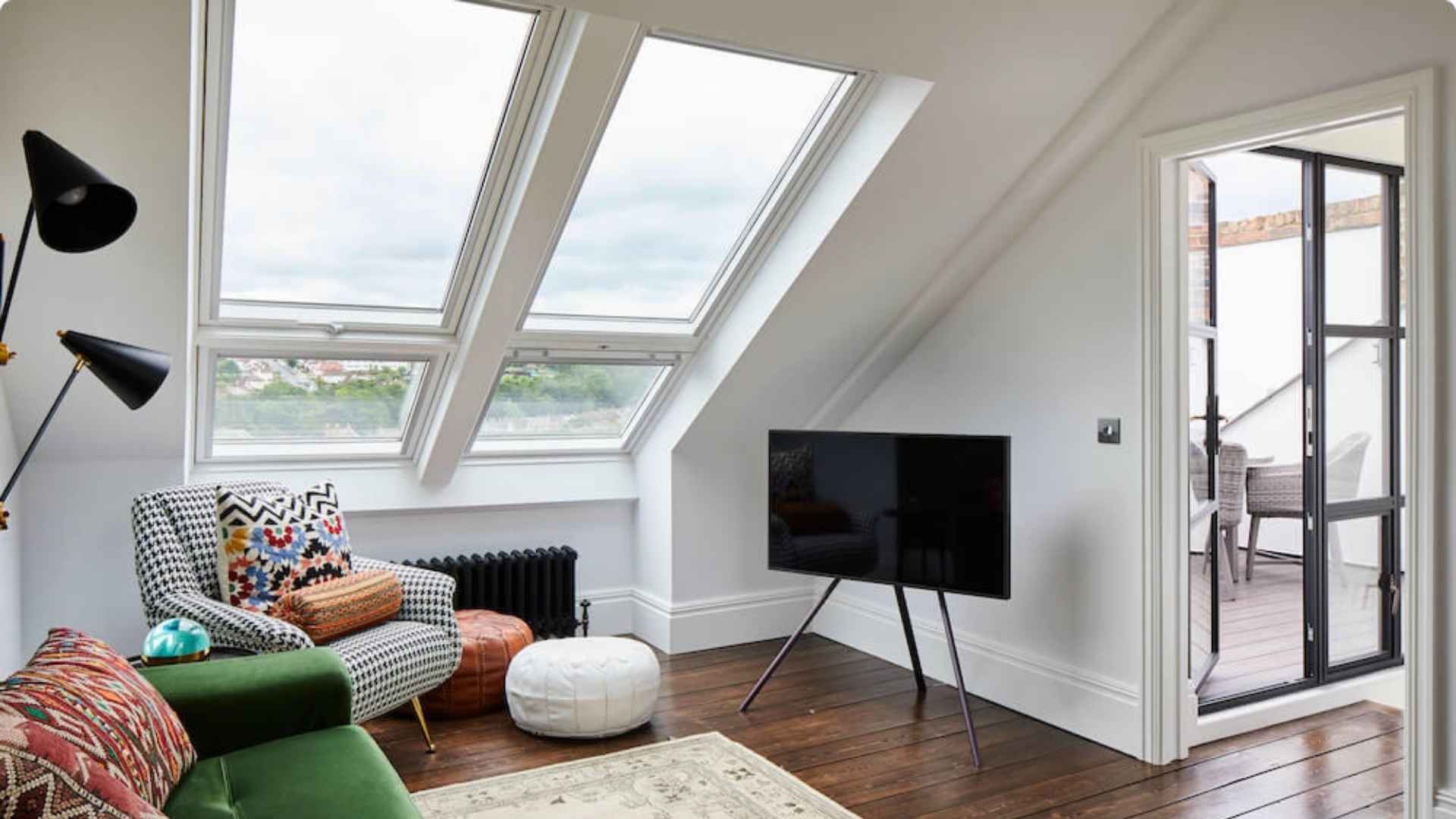

Wondering if your London home qualifies for a loft conversion? Discover the key structural, planning, and legal checks every homeowner needs to make before transforming their loft space into a stunning new room.
Thousands of London homeowners are discovering that the answer to their space problem is right above their heads. A loft conversion is one of the most popular and cost-effective ways to add an extra bedroom, home office, or en suite bathroom without moving home or extending outward.
However, not every London property is automatically suitable. Before you invest time and money, you need to know whether your home ticks the right boxes. Here is exactly how to find out.
Why Loft Conversions Are So Popular in London
London homeowners face a unique challenge. Space is limited, property prices are high, and moving to a larger home is expensive. As a result, more and more homeowners are choosing to convert their loft instead.
A well-executed loft conversion can add up to 20 percent to the value of a London home. Furthermore, it creates a genuinely usable living space without touching your garden or ground floor footprint. For landlords, it adds a rentable bedroom that significantly boosts yield.
The demand is clear. The question is whether your specific property can deliver it.
The Four Key Checks for Loft Conversion Suitability
Check One: Head Height
The single most important factor in any loft conversion is head height. Most building contractors and structural engineers recommend a minimum height of 2.2 metres, measured from the floor joists to the ridge of the roof.
To measure this yourself, simply go into your loft with a tape measure and check the distance from the highest point of the floor to the underside of the ridge beam. If you have 2.2 metres or more, your loft is likely suitable. If you fall slightly short, certain conversion types such as a dormer or mansard can still create enough usable space.
Therefore, do not rule out your property based on a quick visual inspection alone. Always get a professional assessment first.
Check Two: Roof Structure and Type
The type of roof your London home has will directly affect the complexity and cost of your loft conversion. There are two main roof structures to be aware of.
Traditional cut roofs are found in most Victorian, Edwardian, and pre-1960s London properties. These use individual rafters and joists, leaving a large open space inside the loft. Consequently, they are far easier and more cost-effective to convert.
Modern trussed roofs are common in properties built from the 1960s onwards. These use a series of W-shaped timber trusses that fill the loft space. While conversion is still possible, it requires additional structural work to remove or alter the trusses, which adds cost and complexity.
In short, older London properties are often better candidates for a straightforward loft conversion than newer builds.
Check Three: Planning Permission and Permitted Development
Many loft conversions in London fall under Permitted Development rights, meaning you do not need to apply for full planning permission. However, there are important conditions to be aware of.
Your loft conversion will likely qualify under Permitted Development if the additional roof space does not exceed 40 cubic metres for terraced houses, or 50 cubic metres for detached and semi-detached homes. Additionally, the conversion must not extend beyond the existing roof slope at the front of the house.
However, Permitted Development rights do not apply universally across London. Specifically, if your property is in one of London’s 1,000-plus conservation areas, is a listed building, or is a flat or maisonette, you will need to apply for full planning permission.
Always check with your local London borough council before proceeding. Precise Enterprise can help you navigate the planning process from the very beginning.
Check Four: Party Wall Agreements
If you live in a terraced or semi-detached home, which covers the majority of London’s housing stock, the Party Wall Act 1996 is relevant to your loft conversion.
Specifically, if your conversion involves raising a party wall, cutting into a shared chimney breast, or carrying out excavations near the boundary, you must serve a formal Party Wall Notice on your adjoining neighbours. Neighbours then have 14 days to respond.
Ignoring this legal requirement can result in injunctions that stop your project entirely. Moreover, resolving disputes after the fact is far more costly and stressful than handling the process correctly from the start. A good renovation contractor will guide you through this smoothly.
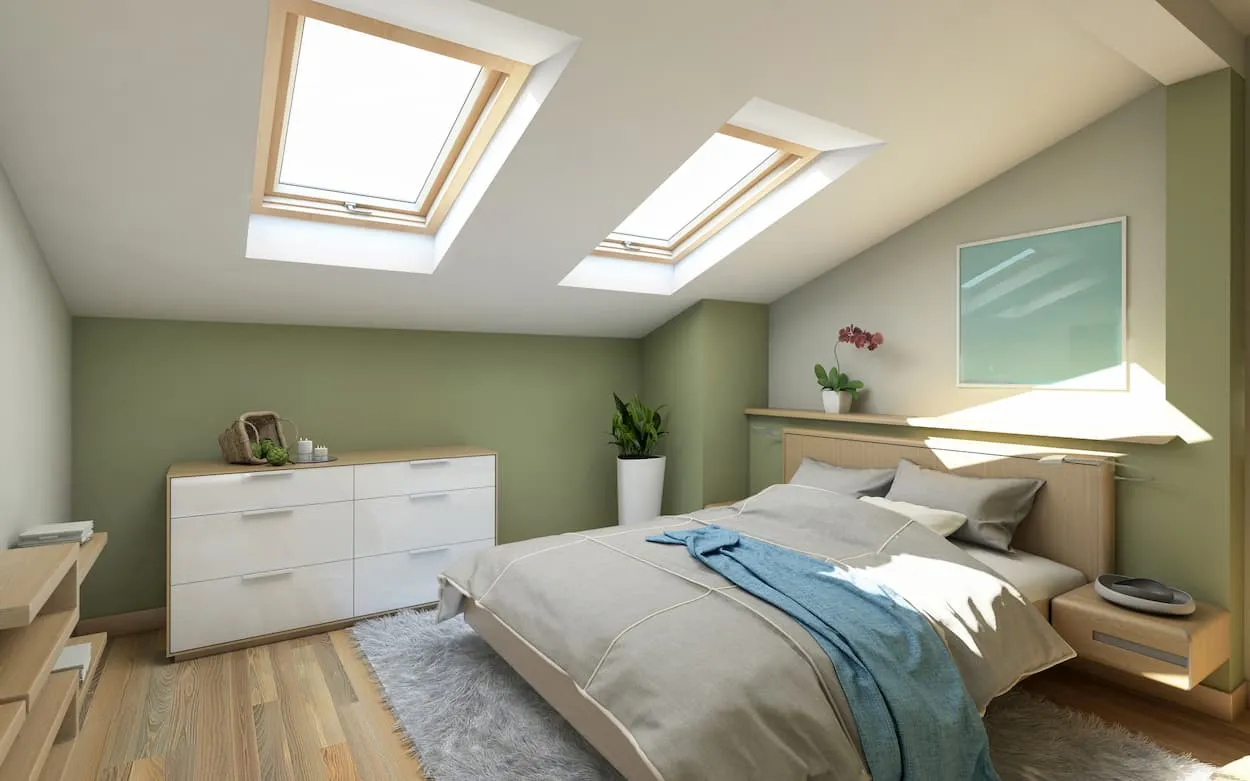
What Type of Loft Conversion Is Right for Your London Home?
Once you have confirmed your property is suitable, the next step is choosing the right conversion type. Here is a quick overview.
Velux Loft Conversion
This is the simplest and most affordable option. It involves adding roof windows without changing the roof structure. It works best when you already have sufficient head height and a traditional cut roof.
Dormer Loft Conversion
A dormer extends vertically from the existing roof slope, creating additional floor space and head height. It is the most popular loft conversion type across London, particularly for Victorian terraces and Edwardian semis.
Hip to Gable Loft Conversion
This type is ideal for semi-detached and detached London homes with a hipped roof. It involves extending the sloping hip end of the roof outward to create a vertical gable wall, significantly increasing usable space.
Mansard Loft Conversion
A mansard involves replacing one or both roof slopes with a near-vertical wall and a flat roof. It offers the maximum amount of usable floor space and is particularly popular in inner London where planning rules allow it. However, it is also the most complex and expensive option.
Building Regulations You Must Comply With
Regardless of whether planning permission is needed, every loft conversion in London must comply with Building Regulations. These cover structural integrity, fire safety, insulation, ventilation, and means of escape.
Critically, a fixed staircase with a minimum headroom of 1.9 metres is required. Additionally, fire doors and interlinked smoke alarms must be installed throughout the property. Floor joists will also need to be strengthened to support the new living space.
Your contractor must notify Building Control before work begins. At completion, you will receive a Completion Certificate, which is essential when you come to sell your home.
Next Steps, Get a Professional Loft Survey
The most reliable way to confirm whether your London home is suitable for a loft conversion is to book a professional loft survey. An experienced contractor will assess your head height, roof structure, access options, and planning position, then provide a clear recommendation and detailed quote.
At Precise Enterprise, we carry out free loft assessments for homeowners and landlords across all London boroughs. Whether you live in a Victorian terrace in Islington, a semi in Sutton, or a period home in Richmond, we will tell you exactly what is possible and what it will cost.
Ready to Find Out If Your Loft Has Potential?
Do not let unused loft space go to waste. Contact Precise Enterprise today for a free consultation and loft assessment. We cover all London boroughs and work with both homeowners and landlords to deliver loft conversions that add real space, real comfort, and real value.