

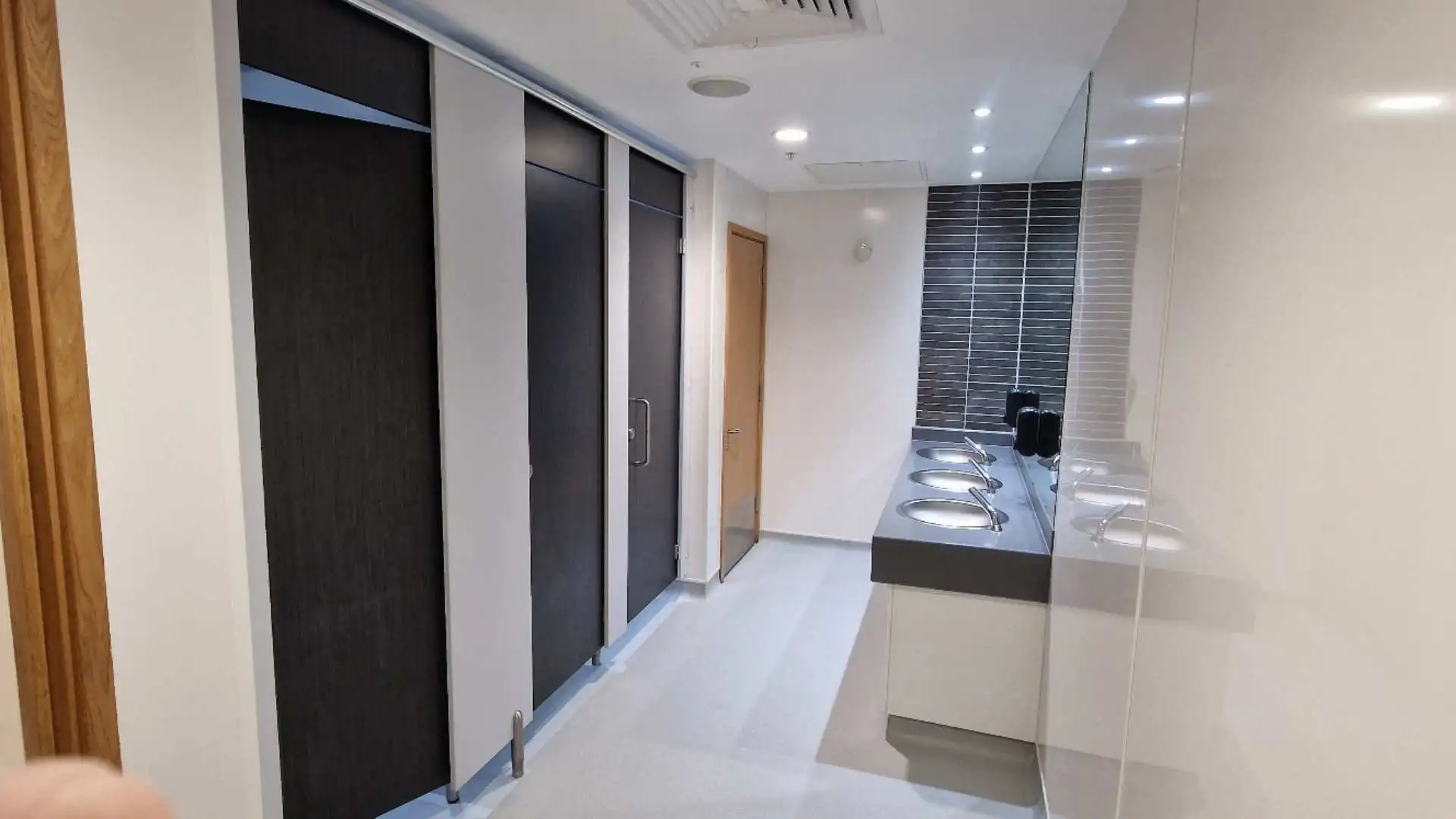

Discover why planned maintenance in London social housing delivers better value, stronger compliance, and improved tenant welfare than reactive maintenance, with this complete guide from Precise Enterprise.
Every London housing association and local authority faces the same fundamental question. Do you wait for things to break and then fix them? Or do you invest in a structured programme that prevents problems before they arise?
This is the core difference between reactive maintenance and planned maintenance in London social housing. Both approaches have a role to play. However, the evidence consistently shows that planned maintenance in London delivers significantly better value, stronger compliance outcomes, and higher tenant satisfaction than a reactive only approach.
This guide breaks down both approaches clearly, compares their costs and outcomes, and explains why London’s leading housing associations and local authorities are shifting decisively toward programme based planned maintenance delivery.
What Is Reactive Maintenance in London Social Housing?
Reactive maintenance is exactly what the name suggests. It responds to problems after they have already occurred. A tenant reports a leaking pipe, a broken boiler, or a failed kitchen unit. Your maintenance team or contractor responds and fixes the specific fault.
Where Reactive Maintenance Has a Role
Reactive maintenance will always be a necessary part of any social housing maintenance strategy. Genuine emergencies happen regardless of how thorough your planned programme is. A burst pipe, a boiler failure in winter, or a roof leak during a storm all require an immediate reactive response.
Furthermore, not every repair can be anticipated through planned inspection. Consequently, a competent reactive maintenance service remains an essential component of any well-rounded housing maintenance operation in London.
The Limitations of a Reactive Only Approach
However, relying predominantly on reactive maintenance creates serious and well-documented problems for London housing associations and local authorities.
Reactive maintenance is consistently more expensive than planned works. Emergency callouts, out of hours labour, premium material costs, and repeated visits to address the same underlying problem all drive costs upward significantly. Furthermore, reactive repairs rarely address root causes. They fix the symptom rather than the underlying issue, meaning the same problem recurs repeatedly over time.
Additionally, a reactive only approach makes budget planning extremely difficult. Costs are unpredictable, peaks in demand are hard to resource efficiently, and long term asset health deteriorates steadily without structured intervention.
What Is Planned Maintenance in London Social Housing?
Planned maintenance in London takes a fundamentally different approach. Rather than waiting for components to fail, it identifies, schedules, and delivers maintenance works before failure occurs, based on component condition, age, and predicted life cycle.
Programme Based Delivery
The most effective planned maintenance programmes in London operate on a programme based delivery model. This means works are batched, sequenced, and delivered systematically across a housing stock portfolio over a defined period.
For example, rather than replacing individual kitchens one at a time as they fail, a housing association delivers a rolling kitchen renewal programme across a defined number of properties each year. This approach maximises efficiency, reduces unit costs through economies of scale, minimises tenant disruption, and ensures consistent quality across the entire stock.
At Precise Enterprise, we specialise in exactly this type of programme based planned maintenance delivery for housing associations and local authorities across all London boroughs.
Stock Condition Surveys as the Foundation
Every effective planned maintenance programme in London starts with accurate, up to date stock condition data. A comprehensive stock condition survey assesses the age, condition, and remaining life expectancy of every key component across your housing portfolio, including kitchens, bathrooms, roofs, windows, heating systems, and electrical installations.
This data drives your planned maintenance programme. It tells you which components need replacing now, which need replacing in the next five years, and which can be maintained for longer with targeted intervention. Consequently, it enables you to allocate your maintenance budget where it delivers the greatest impact on asset health, compliance, and tenant welfare.
Reactive vs Planned Maintenance, A Direct Comparison
Understanding the practical differences between reactive and planned maintenance helps housing associations and local authorities make informed decisions about their maintenance strategy in London.
Cost Efficiency
Reactive maintenance is consistently more expensive on a per unit basis than planned works. Emergency callouts carry significant premiums. Repeated visits to address the same underlying fault accumulate cost rapidly. Furthermore, when components fail catastrophically rather than being replaced proactively, the associated damage to surrounding elements, such as water damage from a failed pipe or structural damage from a leaking roof, can multiply the total cost of the repair several times over.
Planned maintenance in London delivers significantly lower whole life costs. Programme based delivery creates economies of scale in both labour and materials. Supply chains are managed proactively, eliminating emergency premium pricing. Additionally, components are replaced before failure, preventing the cascade of secondary damage that reactive repairs so often involve.
Compliance Outcomes
London housing associations and local authorities operate within an increasingly demanding compliance environment. The Decent Homes Standard, Awaab’s Law, the Building Safety Act 2022, and the Social Housing Regulation Act all create specific obligations around the condition and safety of social housing stock.
A reactive maintenance approach makes compliance extremely difficult to demonstrate. Works are carried out in response to reported failures rather than proactive assessment, leaving significant gaps in stock condition records and creating real legal and regulatory risk.
Planned maintenance in London, on the other hand, creates a structured, auditable record of all works carried out across the stock. It demonstrates proactive compliance with statutory obligations, supports regulatory inspections, and provides the documentary evidence that the Regulator of Social Housing increasingly demands from registered providers.
Tenant Welfare and Satisfaction
Tenant welfare sits at the heart of every social housing maintenance decision. Reactive maintenance, by its very nature, means tenants live with failing components until they report a fault and a repair is arranged. This creates real hardship, particularly for vulnerable tenants who may be less able to report problems or advocate for timely repairs.
Furthermore, repeated reactive repairs to the same component are disruptive, frustrating, and damaging to tenant trust and satisfaction. Tenants who experience repeated maintenance visits for the same recurring problem consistently report lower satisfaction scores and greater dissatisfaction with their landlord.
Planned maintenance in London proactively improves the condition of tenants’ homes before components fail. Tenants experience less disruption over the long term, benefit from modern, efficient kitchens and bathrooms, and report significantly higher satisfaction with their housing provider as a result.
Asset Health and Long Term Value
London social housing stock represents an enormous long term asset. Protecting and enhancing that asset value requires a proactive, strategic approach to maintenance that a reactive only model simply cannot deliver.
Planned maintenance in London extends the life of key components through timely intervention, prevents the deterioration of building fabric through proactive repair, and delivers a systematic programme of component renewal that keeps stock in good condition over the long term.
Consequently, housing associations and local authorities that invest in planned maintenance programmes consistently report lower void rates, reduced disrepair claims, stronger regulatory inspection outcomes, and higher long term asset values across their London portfolios.
Key Components of an Effective Planned Maintenance Programme in London
Building an effective planned maintenance programme requires careful planning, accurate data, and the right delivery partner. Here are the key components every London housing association and local authority should have in place.
Accurate and Up to Date Stock Condition Data
As noted above, stock condition survey data is the foundation of every effective planned maintenance programme. Without accurate data, you cannot prioritise works effectively, plan budgets reliably, or demonstrate compliance to the regulator.
Invest in regular, comprehensive stock condition surveys across your London portfolio. Update your data whenever planned works are completed to maintain an accurate picture of component condition and remaining life expectancy across your entire stock.
A Realistic and Funded Capital Programme
Planned maintenance in London requires a realistic, fully funded capital programme that matches your stock condition data to your available budget. Work with your finance team and your maintenance contractor to develop a prioritised programme that addresses the highest risk components first while planning systematically for future renewals.
A well-structured capital programme gives your organisation financial certainty, enables long term supply chain agreements, and demonstrates to the Regulator of Social Housing that you are managing your stock responsibly and proactively.
Programme Based Delivery With the Right Contractor
The delivery partner you choose for your planned maintenance programme is critical to its success. Look for a contractor with proven experience delivering high volume, programme based planned maintenance across London social housing stock.
At Precise Enterprise, we deliver structured, programme based planned maintenance for housing associations and local authorities across all London boroughs. We specialise in high volume kitchen and bathroom renewals, delivering compliance-led refurbishments that prioritise tenant welfare and long term asset health.
Our experienced team manages every aspect of programme delivery, from initial stock condition assessment and specification writing through to on-site delivery, tenant liaison, quality inspection, and programme reporting.
Robust Tenant Liaison and Communication
Effective tenant engagement is one of the most important and most frequently underestimated components of a successful planned maintenance programme in London. Tenants who understand what works are being carried out, why they are necessary, and what to expect during the process are significantly more cooperative, more satisfied, and less likely to generate complaints or delays.
Invest in a dedicated resident liaison function within your planned maintenance programme. Proactive communication, clear information, respectful on-site conduct, and timely resolution of tenant concerns all contribute directly to programme efficiency and tenant satisfaction outcomes.
How Precise Enterprise Delivers Planned Maintenance in London
At Precise Enterprise, we are London’s trusted partner for planned maintenance and K&B renewals across social housing. We work with housing associations and local authorities across all London boroughs to deliver structured, programme based maintenance programmes that protect asset health, ensure compliance, and put tenant welfare at the centre of everything we do.
Our services include high volume kitchen renewals, bathroom renewals, wet room installations, accessible bathroom adaptations, and compliance-led refurbishments across all types of London social housing stock. We bring proven programme management capability, a dedicated resident liaison team, and a commitment to quality and compliance on every programme we deliver.
Ready to Transform Your Planned Maintenance Programme in London?
Do not wait for components to fail before you act. Contact Precise Enterprise today to discuss how a structured planned maintenance programme can deliver better value, stronger compliance, and improved tenant welfare across your London housing stock.