

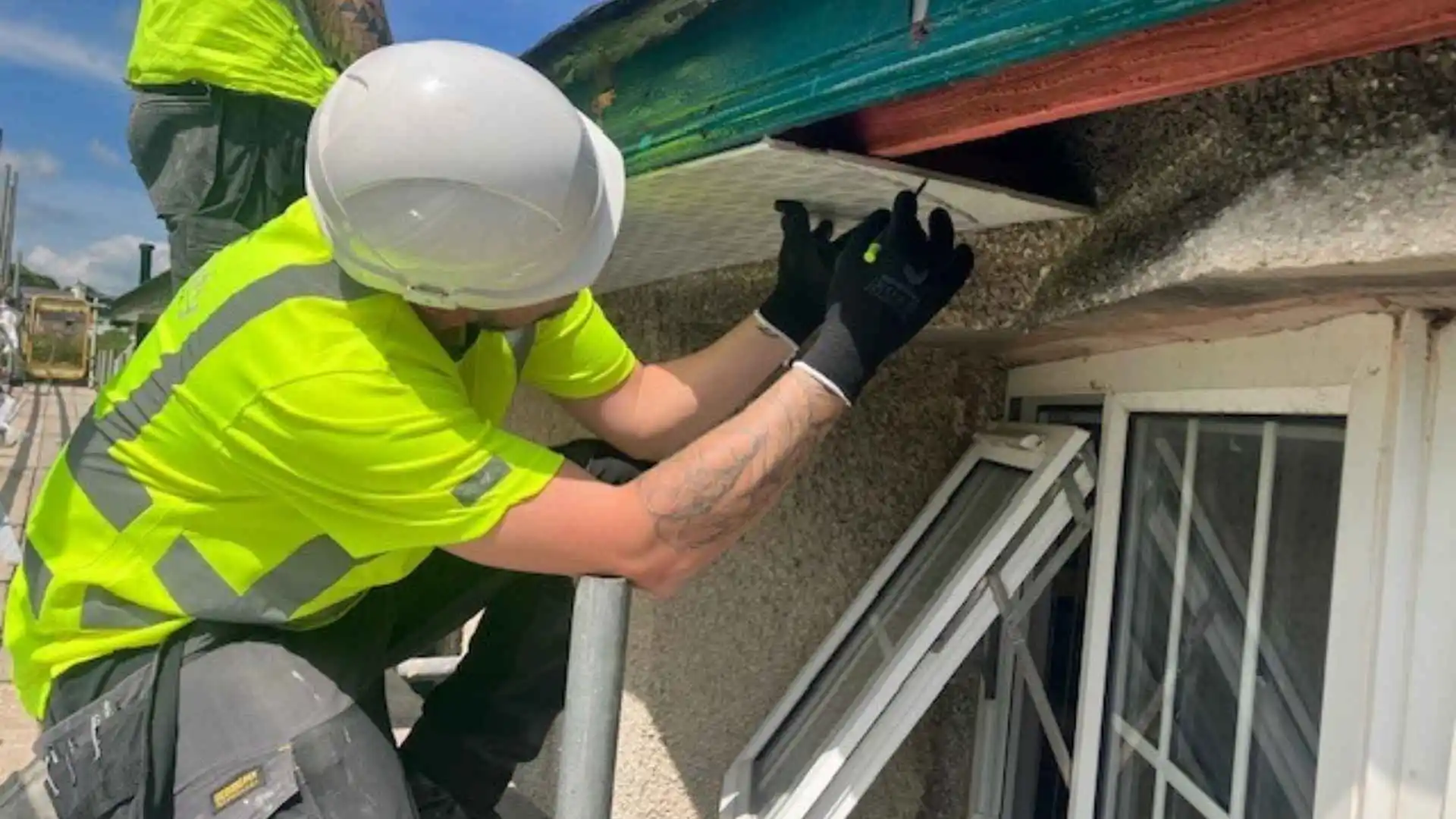

Struggling with reactive maintenance in London social housing? Discover how housing associations and local authorities can improve response times, resident satisfaction, and compliance outcomes with this complete guide from Precise Enterprise.
Reactive maintenance in London social housing is under more scrutiny than ever before. The Regulator of Social Housing, the Housing Ombudsman, and an increasingly vocal resident population all expect housing associations and local authorities to respond to maintenance requests faster, more effectively, and with greater transparency than at any point in the past.
Yet many London housing associations still struggle with the same persistent problems. Response times that miss targets. Repeat visits that fail to resolve the underlying fault. Residents who feel ignored, dismissed, and frustrated by a system that seems designed to process tickets rather than solve problems.
The good news is that improving reactive maintenance in London is entirely achievable. It requires honest assessment of current performance, a clear strategy for improvement, and the right delivery partner to make the changes stick. This guide covers exactly how to do it.
Why Reactive Maintenance Performance Matters More Than Ever
Reactive maintenance has always been a core function of social housing management. However, the stakes attached to poor performance have risen sharply in recent years.
The Regulatory and Legal Context
Awaab’s Law, enacted following the tragic death of Awaab Ishak in a Rochdale social housing property, introduced strict legal timescales for housing providers to investigate and repair hazards including damp and mould. Under the legislation, housing associations must investigate reported hazards within fourteen days and begin repair works within a further seven days where a hazard is confirmed.
Furthermore, the Social Housing Regulation Act 2023 significantly strengthened the Regulator of Social Housing’s powers to inspect, intervene, and publish performance data on registered providers. Reactive maintenance response times and resident satisfaction scores now form a central part of regulatory assessment. Poor performance in these areas carries real reputational and regulatory consequences for London housing associations.
The Resident Satisfaction Context
The Tenant Satisfaction Measures introduced by the Regulator of Social Housing in April 2023 require all registered providers to collect and report standardised resident satisfaction data annually. Reactive maintenance performance sits at the heart of these measures.
Residents who experience slow responses, repeat visits, and unresolved faults consistently report lower satisfaction scores across every other aspect of their housing experience as well. Conversely, housing associations that deliver prompt, effective reactive maintenance consistently outperform their peers on overall resident satisfaction. The connection is direct and well evidenced.
Understanding What Drives Poor Reactive Maintenance Performance in London
Before you can improve reactive maintenance performance in London, you need to understand what actually drives poor outcomes in practice. The causes are rarely as simple as a contractor not turning up on time.
Demand That Outstrips Capacity
London housing associations manage some of the oldest and most complex housing stock in the country. Victorian terraces, post-war estates, and high-rise blocks all generate high volumes of reactive maintenance demand. When that demand consistently exceeds your contracted maintenance capacity, response times suffer and repeat visits multiply.
Many housing associations address demand spikes by adding volume to existing contracts without addressing the underlying capacity constraint. This approach produces short-term relief but does not solve the structural imbalance between demand and resource. Consequently, performance deteriorates again as soon as the next seasonal spike in demand arrives.
First Time Fix Rates That Are Too Low
First time fix rate measures how often a maintenance operative resolves a reported fault on the first visit. In London social housing, low first time fix rates are one of the most significant drivers of poor reactive maintenance performance and low resident satisfaction.
When an operative arrives without the right materials, the right tools, or the right information to resolve a fault, they leave without completing the work. The resident waits again. A second appointment is made. The fault persists. The resident’s frustration grows. Meanwhile, your contractor’s productivity falls and your cost per repair rises.
Improving first time fix rates is therefore one of the highest leverage improvements any London housing association can make to its reactive maintenance programme.
Poor Communication Between Contractor and Resident
Many reactive maintenance complaints in London social housing are not fundamentally about the quality of the repair. They are about the quality of the communication surrounding it. Residents who know when an operative will arrive, who will do the work, and what to expect during and after the visit report significantly higher satisfaction even when the repair itself takes longer than expected.
Conversely, residents left without updates, given appointment windows that are missed without warning, or unable to reach anyone when they have a query generate disproportionate volumes of complaints and formal escalations that consume management time and damage your regulatory profile.
How London Housing Associations Can Improve Reactive Maintenance Performance
Improving reactive maintenance in London requires action across several interconnected areas. Addressing one in isolation rarely produces the sustained improvement that housing associations need.
Invest in Better Demand Intelligence
The starting point for any reactive maintenance improvement programme is accurate, granular demand data. You need to know which property types generate the highest repair volumes, which fault categories drive the most repeat visits, which geographic clusters generate the most demand at peak periods, and which resident cohorts are most likely to report dissatisfaction with the service they receive.
This data exists within your housing management system. However, many London housing associations do not analyse it systematically or share it with their maintenance contractor in a form that enables proactive resource planning. Changing this is one of the lowest-cost, highest-impact improvements you can make to your reactive maintenance operation.
Set and Monitor the Right KPIs
Many London housing associations measure reactive maintenance performance against a narrow set of response time targets. These targets matter but they do not tell the whole story of service quality.
Build a KPI framework that covers response time compliance across all urgency categories, first time fix rate by fault category and property type, repeat visit rate within thirty and ninety days of original repair, resident satisfaction score collected at point of repair completion, void repair turnaround time, and complaints generated per thousand repairs completed.
Reviewing this data monthly with your maintenance contractor creates a shared performance culture focused on outcomes rather than activity. It also gives you the early warning signals you need to intervene before performance deteriorates to the point where residents and regulators notice.
Improve Your Repairs Triage Process
How you categorise and prioritise reactive maintenance requests at the point of reporting has a direct impact on response time performance and first time fix rates. A well-designed triage process captures enough information at the initial contact to categorise the urgency correctly, allocate the right operative with the right skills and materials, and communicate a realistic appointment time to the resident.
Many London housing associations use triage processes that were designed for lower demand environments and have never been systematically reviewed. A structured review of your triage process, in partnership with your maintenance contractor and your resident involvement team, frequently identifies quick wins that improve performance without additional cost.
Focus on First Time Fix Rate Improvement
Improving first time fix rates requires action on three fronts simultaneously. First, your contractor’s operatives need access to accurate property information before they attend, including the age, specification, and maintenance history of key components in each property. Second, your contractor needs a well-stocked van management system that ensures operatives carry the materials most commonly required for the fault categories they are attending. Third, your contractor needs a clear escalation protocol for faults that cannot be resolved on the first visit, including a committed return appointment before the operative leaves the property.
At Precise Enterprise, we build first time fix rate improvement into every reactive maintenance contract we deliver for London housing associations and local authorities. Our operatives attend with property-specific information, well-stocked vans, and clear protocols for every fault category we manage.
Transform Your Resident Communication
Improving resident communication around reactive maintenance does not require expensive technology. It requires commitment to a small number of consistent practices that residents consistently tell you they value.
Confirm every appointment in writing as soon as it is made, including the date, the time window, and the name of the operative attending. Send a reminder the day before. Contact the resident if the appointment cannot be kept, before the window passes rather than after. Collect a satisfaction score at the point of completion and respond to any negative feedback within forty-eight hours.
These practices cost very little to implement. However, they transform the resident experience of reactive maintenance and generate measurable improvements in satisfaction scores within months of introduction.
The Role of Planned Maintenance in Reducing Reactive Demand
One of the most effective long term strategies for improving reactive maintenance performance in London is reducing the volume of reactive demand through a well-structured planned maintenance programme. This connection is well understood in theory but frequently underinvested in practice.
How Planned Maintenance Reduces Reactive Pressure
Components that receive timely planned maintenance generate fewer reactive repairs. Kitchens and bathrooms renewed at the end of their design life stop generating the steady stream of reactive repairs that aging components inevitably produce. Roofs inspected and maintained regularly develop fewer leaks. Heating systems serviced annually break down less frequently during winter demand peaks.
Housing associations that invest in structured planned maintenance programmes consistently report lower reactive maintenance volumes, lower reactive costs, and higher resident satisfaction scores than those that operate predominantly reactive models. The investment in planned maintenance pays for itself many times over in reduced reactive spend and improved regulatory performance.
At Precise Enterprise, we work with London housing associations and local authorities to deliver both planned maintenance programmes and reactive maintenance services, creating a genuinely integrated approach to stock maintenance that reduces demand, improves performance, and protects asset health over the long term.
How Precise Enterprise Supports Reactive Maintenance in London
At Precise Enterprise, we deliver reactive maintenance services for housing associations and local authorities across all London boroughs. Our service is built around fast response, high first time fix rates, proactive resident communication, and transparent performance reporting that gives our clients the data they need to manage their contracts effectively.
We understand the regulatory environment London housing associations operate in. We design our reactive maintenance service to support Tenant Satisfaction Measures compliance, Awaab’s Law requirements, and the Decent Homes Standard obligations that define the minimum acceptable standard for social housing in London.
Whether you need a standalone reactive maintenance contract, an integrated planned and reactive service, or specialist support for high demand periods, Precise Enterprise has the capacity, the systems, and the experience to deliver.
Ready to Improve Your Reactive Maintenance Performance in London?
Poor reactive maintenance performance does not fix itself. It requires honest assessment, clear strategy, and the right delivery partner to turn performance around sustainably.
Contact Precise Enterprise today to discuss how we can support your reactive maintenance programme across London. We work with housing associations and local authorities of all sizes to deliver maintenance services that improve resident satisfaction, support regulatory compliance, and protect your stock for the long term.